
The Definitive Guide to the DISC Test for People, Teams, and Leadership
Take DISC Personality Assessment
Get StartedWhat the DISC Framework Is and Why It Matters
Organizations of every size use the DISC framework to decode how people approach problems, pace, influence, and rules in real-world contexts. Rather than labeling individuals, the model shines a light on behavior patterns that show up in conversations, negotiations, meetings, and collaboration. With a focus on observable tendencies, it helps you predict likely reactions under pressure, map communication preferences, and reduce friction across functions. By spotlighting what is visible and coachable, the approach invites practical changes that compound into meaningful performance gains over time.
Many newcomers explore a DISC model test as a gateway to learning how Dominance, Influence, Steadiness, and Conscientiousness play out in daily interactions. Once you grasp the four-style language, it becomes easier to translate tension into tactics and mismatches into workable agreements. Context remains vital because behavior flexes with role, environment, and stakes, yet the core style signals still provide reliable direction. Leaders who adopt this lens gradually build a common vocabulary that speeds up alignment and trims cycles of avoidable rework in projects.
For richer insight, organizations rely on a DISC assessment test alongside interviews, 360 feedback, and performance data to triangulate strengths and gaps. When combined with concrete goals, coaching becomes more surgical and measurable because actions map to a shared model. The result is a continuous improvement loop that upgrades emotional intelligence and decision quality without sacrificing speed. Over time, this shared understanding turns into a cultural advantage that lowers conflict costs and elevates trust.
The Four Styles in Action and How to Work with Them
Real-world collaboration improves when you can quickly read which behaviors are energizing a colleague and which are draining them. In practical terms, teams often use a DISC profile test to visualize where members cluster and where blind spots lurk. That snapshot clarifies why one person craves rapid decisions while another asks for more detail before committing. Knowing the likely friction points helps you tailor messaging, set expectations, and reduce the back-and-forth that inflates timelines and budgets unnecessarily.
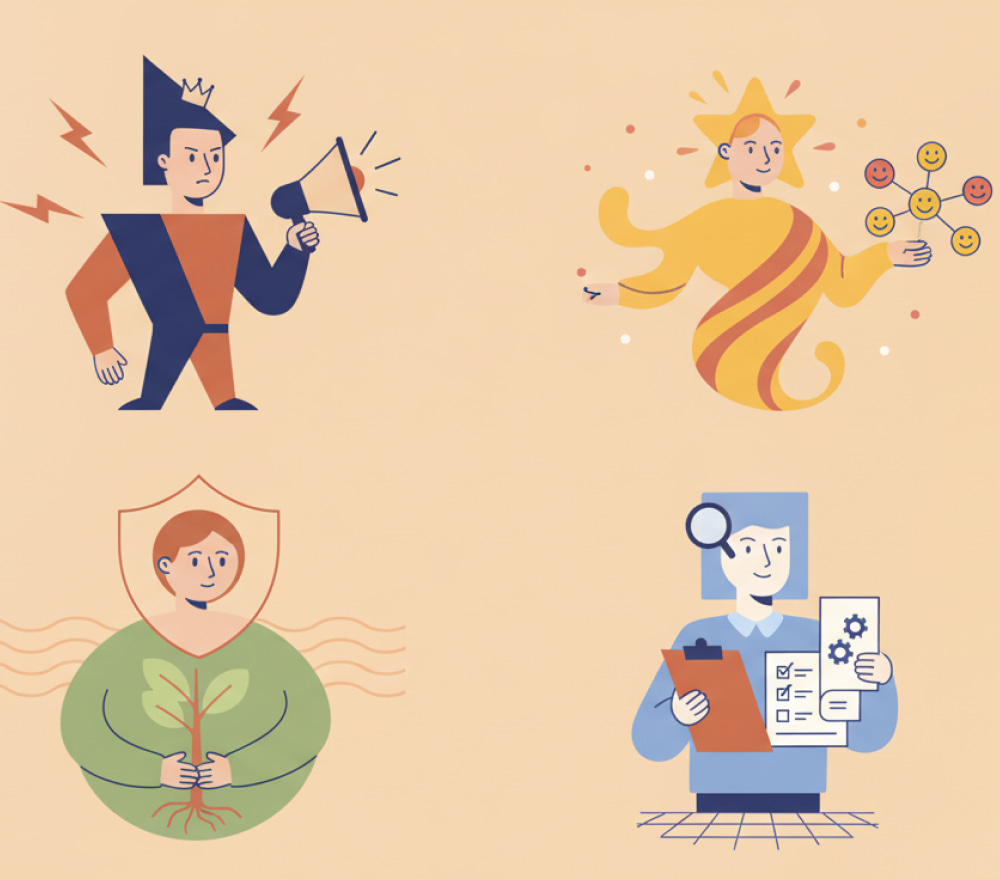
When leaders explain the DISC test personality to a new team, they emphasize that strengths are situational and that flexibility is a skill to practice deliberately. Dominant styles thrive on outcomes and clarity, while Influential styles mobilize momentum through relationships and enthusiasm. Steady styles stabilize systems and pace, and Conscientious styles safeguard quality with careful analysis. Adaptation means emphasizing different muscles as tasks change, not abandoning your core strengths under pressure.
- Dominance: decisive language, action-first framing, comfort with conflict when progress stalls.
- Influence: storytelling, visible optimism, preference for collaboration in open forums.
- Steadiness: patient tone, emphasis on process continuity, focus on team harmony.
- Conscientiousness: structured questions, data anchoring, attention to risk and precision.
These cues are not boxes; they are starting points. The real power emerges when a team uses them to negotiate how to run meetings, assign roles, and schedule check-ins. As alignment grows, accountability becomes easier because priorities and working agreements are clear.
Benefits and Practical Applications for High-Performance Teams
From onboarding to succession planning, the DISC approach compresses the time it takes to build trust and deliver results. Hiring managers reduce mismatch risk by aligning role demands with behavioral strengths, while project leads use the same language to tune communication rhythms. In leadership development, the framework offers a transparent way to diagnose derailers, such as overusing speed or over-indexing on caution, and then to prescribe small experiments that recalibrate behavior in context.
For targeted development programs, many organizations integrate a DISC leadership test into their competency frameworks to identify stretch assignments that build breadth. When high-stakes initiatives ramp up, facilitators can accelerate kickoff by translating stakeholder maps into style-aware engagement plans. Remote and hybrid teams especially benefit because written communication carries more weight; practical adjustments to tone, structure, and cadence prevent misinterpretations that slow down decisions. Over months, these micro-optimizations add up to measurable gains in throughput and morale.
Busy teams also appreciate the flexibility of modern tools that make the model accessible across devices. For distributed workforces, it can be convenient to complete a DISC test online before a workshop so everyone arrives with a shared baseline for DISCussion. That baseline makes retrospectives crisper because feedback can target behaviors with a neutral vocabulary. By lowering defensiveness, the group can focus on outcomes and craft actionable agreements that stick.
How to Take the Assessment Effectively and Use the Results
Preparation improves the quality of any behavioral questionnaire by centering context and intent. To set expectations appropriately, a DISC test captures tendencies under typical conditions rather than technical skills or raw intellect. Before starting, choose a recent role or project context and answer with that scenario in mind, since shifting contexts can subtly change how you respond. After receiving your results, annotate real examples where the patterns show up clearly, then add situations where you flex differently to meet the moment.
Budget-conscious learners can start with a DISC test for free on reputable platforms while still applying professional-grade reflection practices. Pair the output with manager feedback, peer observations, and calendar audits that reveal where meetings went smoothly or went sideways. Converting insights into small weekly commitments, such as one sentence you will add to clarify expectations, keeps momentum steady. Over one or two quarters, those micro-habits reshape how colleagues experience your contributions.
Use the quick matrix below to connect common style signals with simple do-and-don’t tactics during preparation and debriefs.
| Style | Typical signals | Do this when assessing | Avoid |
|---|---|---|---|
| Dominance | Direct tone, brisk pace, results focus | Frame choices, set clear outcomes, limit fluff | Overexplaining, ambiguous next steps |
| Influence | Expressive language, social energy, ideation | Invite examples, keep it interactive, acknowledge wins | Dry monologues, rigid agendas without input |
| Steadiness | Calm delivery, patience, cooperation | Provide context, pace changes, emphasize support | Rushed pivots, surprise decisions |
| Conscientiousness | Structured thinking, precision, risk awareness | Show data, explain criteria, document agreements | Vague requests, inconsistent standards |
After the debrief, translate insights into a one-page action plan. Pick two strengths to amplify and two friction points to reduce, then define observable behaviors, triggers, and measures of success. Share the plan with a colleague who will hold you accountable in weekly check-ins. Small, explicit commitments compound faster than broad intentions.
Interpreting Results and Building Sustainable Development Plans
Reading a profile is only the first step; the real value emerges when you convert insights into deliberate practice. Coaches often begin by identifying overuse patterns that create friction, then scripting alternatives to test in upcoming interactions. It helps to separate situational demands from personal preferences so you can choose when to lean into speed, consensus, detail, or experimentation. By treating behavior as a toolkit rather than a label, you gain flexibility without diluting authenticity.
Individuals exploring options may begin with a DISC personality test free variant to understand baselines before investing in deeper programs. Afterward, pairing the findings with stakeholder mapping, who needs what from you, makes the next steps concrete. If your role requires frequent context switching, block time to reset your approach between meetings so you can adapt deliberately rather than reactively. Over time, you will notice smoother handoffs, crisper requests, and fewer misfires when stakes rise unexpectedly.
Distributed teams sometimes prefer a DISC personality test online free to reduce scheduling friction, then they debrief in small groups to co-create norms. During those conversations, keep feedback behaviorally specific and forward-looking to avoid defensiveness. Agree on explicit checklists for recurring interactions, including decision thresholds and handoff criteria. With these structures in place, performance benefits scale beyond any single individual’s style.
FAQ: Common Questions About the DISC Approach
How accurate is a behavioral assessment like DISC?
Accuracy depends on honest responses, clear context, and a solid debrief that connects patterns to real examples. Many instruments are validated for reliability, yet no single tool captures the full complexity of human behavior. You will get the best signal when you combine the output with feedback from colleagues who regularly work with you. When insights align across sources, confidence in the patterns increases substantially.
Where should I start if I’m new to DISC?
Begin by learning the four-style language and practicing observation in low-stakes settings like team meetings. A good entry point for many learners is a free DISC personality test that introduces the concepts before a deeper dive. From there, schedule a brief debrief with a mentor or coach to translate insights into daily habits. The goal is practical utility, not memorizing terminology for its own sake.
Can I use DISC for hiring and team design?
It can inform structured conversations about role fit, communication norms, and onboarding plans when used ethically and compliantly. To avoid overreliance, pair it with role requirements, work samples, and behavioral interviews that evaluate job-relevant capabilities. Some applicants appreciate clarity when a process includes a DISC test personality free option, provided the results are used as one data point among many. Transparency about how insights will be applied builds trust and reduces anxiety.
How often should I retake an assessment?
Reassessing annually or after major role changes can be helpful because context influences how behaviors show up. You are not changing your identity every quarter, yet priorities, stakeholders, and pressure levels do evolve with business cycles. Retakes can verify whether your development experiments are sticking and where new friction is emerging. Use the comparison to refine your action plan for the next season of work.
What’s the best way to apply insights on a team?
Start by co-creating working agreements that reflect the mix of styles on the roster. Examples include meeting structures, decision thresholds, and norms for escalations, all written in simple language. Focus on a few changes per sprint so improvements are visible and manageable. Celebrate small wins publicly to reinforce the behaviors that move outcomes forward.